 All articles
  Contextual Advertising
  Design
  Development
  Internet Marketing
  SEO
SEO  Targeted Advertising
  Technologies
SEO Promotion of English-Language and Foreign Websites in 2026

Promoting English-language websites opens new horizons for business, offering a unique opportunity to reach a global audience. In our article, we will share proven methods and strategies, as well as the fundamental principles of operating in the English-language internet space, drawing on the successful experience of our projects abroad. Thanks to meticulously refined approaches and innovative solutions, we have achieved significant growth and strengthened the positions of our clients on the international stage.
Google as the Search Engine for Promotion
Google holds a central place in the internet space as the leading search engine, especially when it comes to English-language queries. This is confirmed by extensive statistics reflecting its market dominance and influence on user behavior. From its search algorithms to content indexing methods, Google sets the standards that define how information is found and presented online.
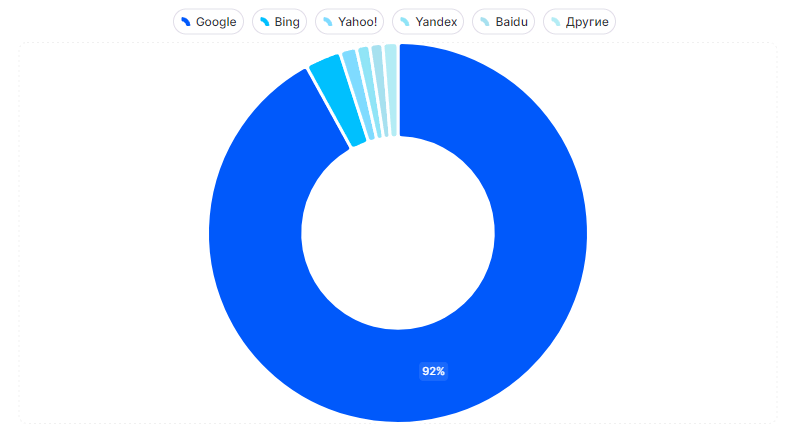
Currently, Google processes over 3.5 billion search queries per day, making it the most used search engine in the world. This statistic highlights the vast reach potential for websites aiming to attract an English-speaking audience. Moreover, with Google occupying over 92% of the search engine market, its influence on the online space is hard to overestimate.
Mobile device users also represent a significant share of traffic, with more than 60% of search queries made from mobile devices. This trend underscores the importance of mobile optimization for websites striving to remain visible in Google.
Regarding search traffic, research shows that the first page of Google’s search results receives over 95% of all clicks, with the first result getting about 31.7% of all clicks. This confirms the significance of high rankings in search results and the competitive struggle for user attention.
Core Principles of SEO for English-Language Websites
Market Analysis
Analyzing the English-language internet market is a crucial step in promoting websites internationally. This process involves researching the target audience, their preferences and behavior, as well as studying competitors and keywords. It is important to understand that the English-language internet market differs significantly from the Russian-speaking one, and for successful promotion, these specifics must be considered.
The English-speaking audience is diverse and has global reach. Key audience characteristics include:
Geographic Distribution:
- USA and Canada
- Great Britain
- Australia and New Zealand
- Other countries where English is an official or widely used language.
Age Groups:
- Youth (18-24) actively uses the internet for communication, entertainment, and learning.
- Adults (25-34) are more inclined to make purchases and use online services.
- Middle-aged (35-54) actively use the internet for work, shopping, and obtaining information.
- Older audience (55+) uses the internet less frequently but is interested in news, health, and travel.
Interests and Preferences:
- Entertainment (movies, music, games)
- Education and self-development
- Shopping and e-commerce
- Social media and communication
- News and information
Analyzing the English-language internet market requires a comprehensive approach and consideration of numerous factors. Understanding the audience, its preferences, and behavior helps develop effective promotion strategies and achieve set goals. Creating a detailed analysis of competitors and keywords, adapting content, and using modern SEO strategies will help attract and retain an English-speaking audience.
Comprehensive promotion in the English-language segment includes not only website optimization but also work with content, link profile, and behavioral factors. Effective promotion of internet projects requires deep competitor analysis and constant adaptation of strategies to changes in search algorithms.
For successful promotion of an online store in the English-language market, it is important to consider local characteristics, user preferences, and the specifics of search queries. If it’s about promoting a new project, the focus should be on content marketing, organic traffic, and gradual link building. In turn, promoting corporate websites involves creating expert content, brand development, and working on the company’s reputation. Promoting an online store requires thorough development of a semantic core, optimization of product pages, and building a quality link profile to increase organic traffic.
Keyword Research
Within successful SEO in the English-language internet, keyword research is the cornerstone of an effective promotion strategy. This process involves meticulous analysis and selection of keywords and phrases that most accurately reflect your website’s content and the interests of your target audience. An effective semantic core helps optimize site content to match user queries. This contributes to high rankings in Google’s search results and other English-language search engines.
Steps for Keyword Research:
- Defining the Target Audience: Understanding who your target audience is, their needs, and interests will help clarify the direction of keyword search.
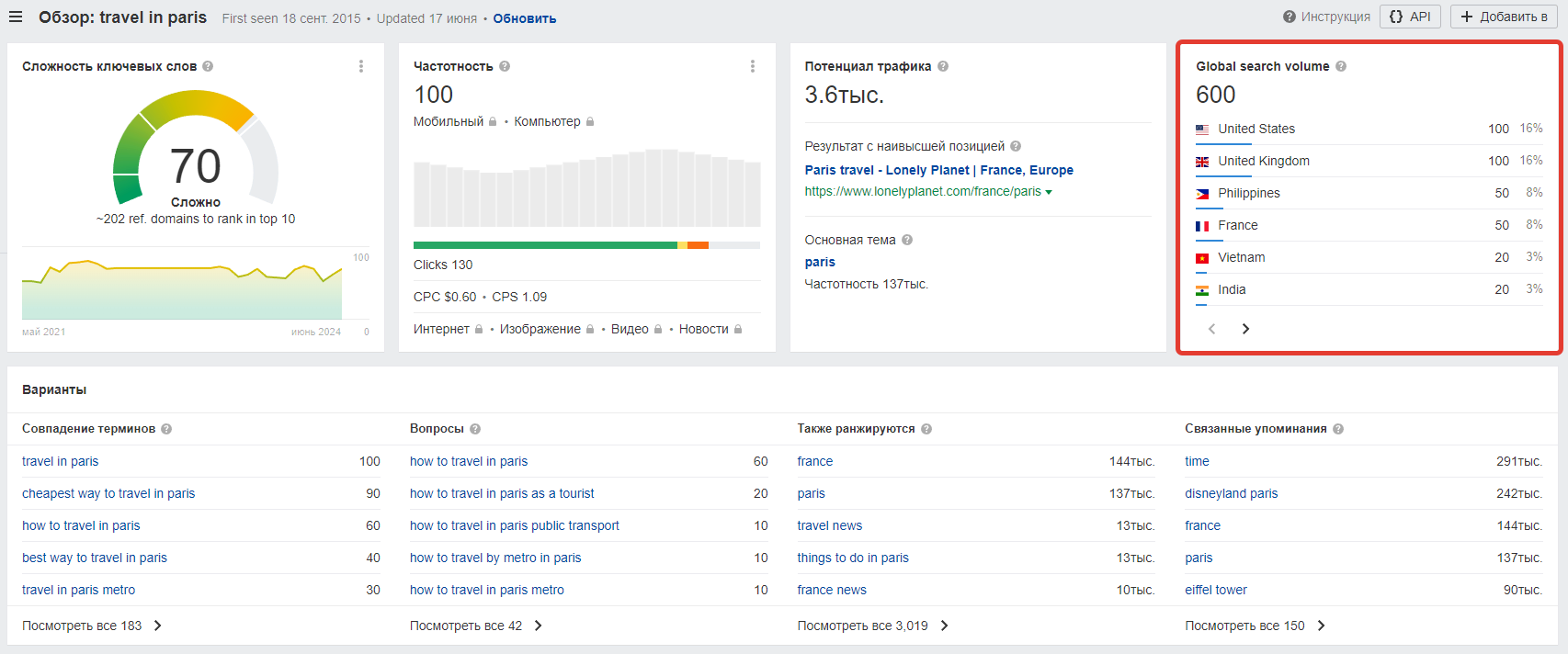
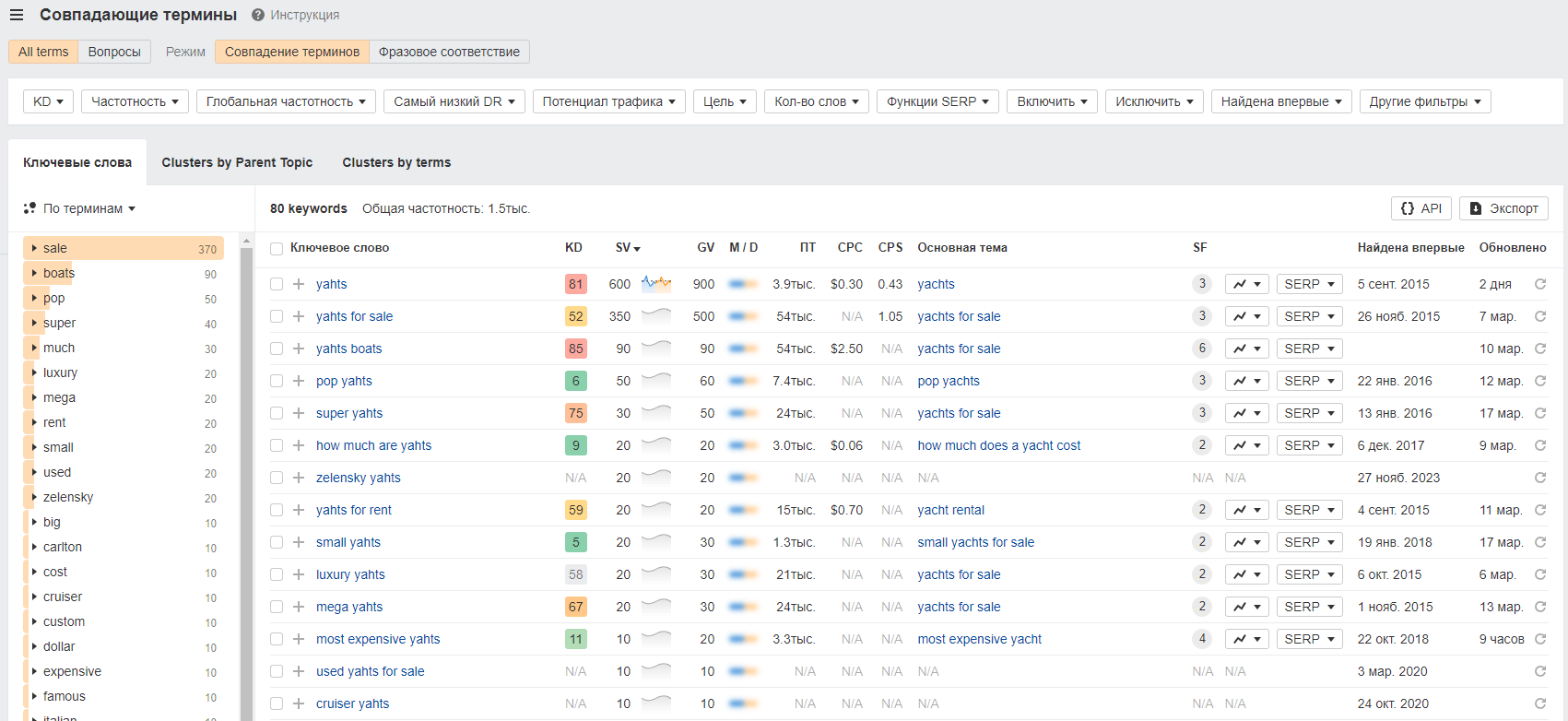
- Using Tools: For finding keywords, you can use tools like Google Keyword Planner, Ahrefs, and SEMrush. They help find relevant keywords, assess their popularity, and competition level.
- Competitor Analysis: Studying keywords used by your competitors can provide valuable ideas for expanding your own semantic core.
- Keyword Selection: Choosing keywords based on their alignment with promotion goals, search query frequency, and competition level.
- Structuring the Semantic Core: Organizing selected keywords into thematic groups for ease of use in site optimization and content creation.
- Continuous Optimization: The semantic core should not be static; it should be regularly updated and optimized based on performance analysis and changes in search query trends.
Keyword research is not just about finding and selecting keywords. It is also about creating a foundation for strategic content planning that will match the queries of an English-speaking audience and contribute to promoting the site to the top of search results.
Technical Website Optimization
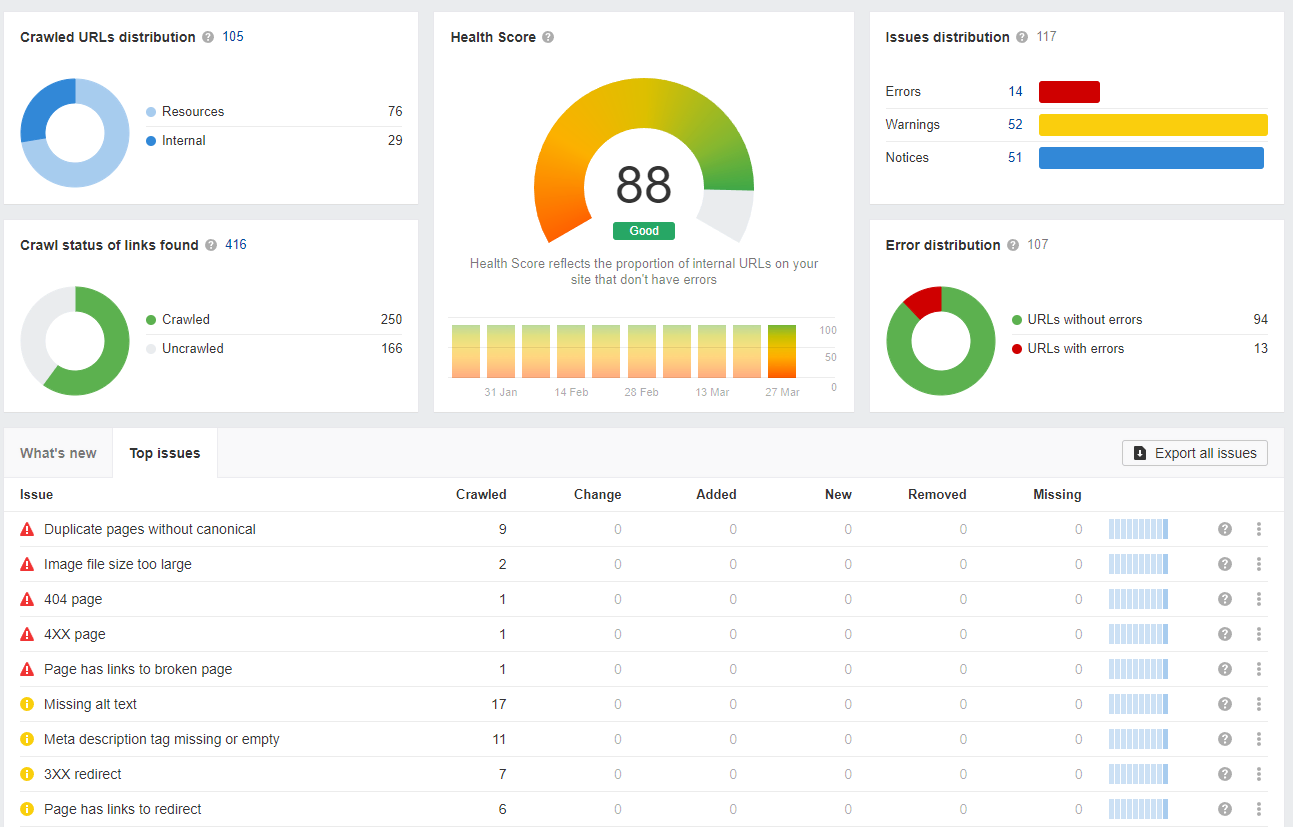
Technical website optimization is a critically important aspect of successfully creating and promoting an English-language website. This process includes a set of activities aimed at improving website performance, its accessibility for search engines, and usability for visitors. The goal at the heart of technical optimization is to make the site as attractive and understandable as possible for search engine crawlers, while also ensuring a high-quality user experience.
Key Aspects of Technical Optimization:
- Page Load Speed: Loading speed is one of the key ranking factors and user satisfaction metrics. Using modern compression technologies, optimizing images and scripts can significantly reduce loading time.
- Mobile Adaptation: Considering the growing number of mobile internet users, having a mobile version of the site or a responsive design is becoming a necessity.
- Security: Using HTTPS not only protects user data but is also a positive signal for search engines.
- URL Structure Optimization: A clear and logical URL structure simplifies site indexing by search engines and makes it more understandable for users.
- Improving User Experience (UX): Quality UX increases user engagement and reduces bounce rate, which positively impacts SEO.
- Fixing Broken Links and 404 Errors: Broken links can negatively affect site ranking and user experience. Regularly finding and fixing them is a mandatory procedure.
- Cross-Browser Optimization: The site should display correctly in all popular browsers, ensuring a consistent user experience.
- Schema Markup: Using schema markup helps search engines better understand the site’s content and can lead to improved visibility in search results.
Technical website optimization is a continuous process that requires regular monitoring and adaptation to changes in search engine algorithms and web development technologies.
Link Building
Link building plays an important role in optimizing and increasing the visibility of English-language websites in search engines. The strategy involves obtaining quality and relevant backlinks from other sites that help promote your site. This helps increase the authority of your resource in the eyes of search engines and attract new audiences. The key to successful link building is a focus on link quality, not quantity.
Effective Link Building Methods:
- Guest Blogging: One of the most effective tactics, involving publishing articles on other authoritative sites in exchange for a link to your site.
- Creating Viral Content: Content that naturally attracts attention and is shared by users can generate a large number of natural links.
- Using Social Media: Active presence and promotion of your content on social networks can lead to obtaining backlinks and increasing brand awareness.
- Directories and Forums: Participating in professional forums and listing the site in thematic resource directories can contribute to accumulating valuable links.
- Partnership Programs: Collaborating with other sites and bloggers in your niche can lead to link exchanges and increased traffic.
Important Aspects to Consider:
- Relevance: Links should be relevant to your site’s topic.
- Source Authority: Links from authoritative sites carry more weight.
- Naturalness: Avoid artificial link accumulation, as it can negatively impact site ranking.
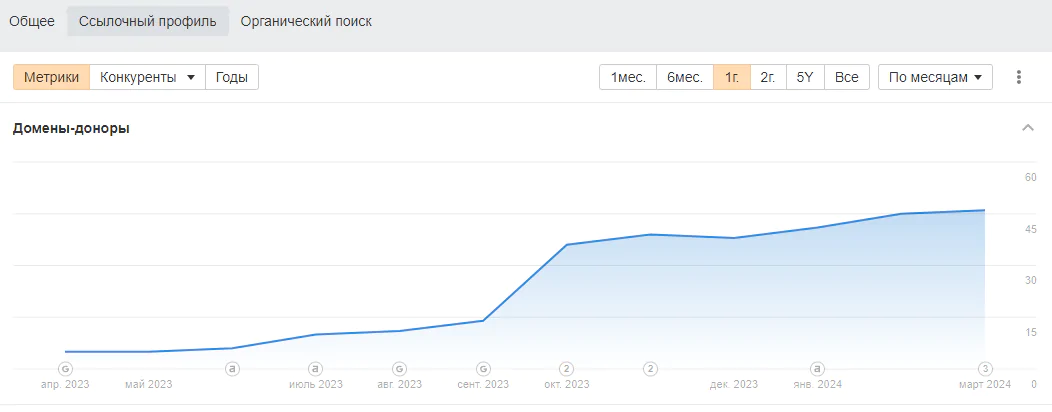
German Afonin:
In the world of SEO, link building remains one of the key factors for successful ranking. Quality and relevant links can significantly improve a site’s visibility and its authority in the eyes of search engines. It’s important to remember that the strategy should be aimed at obtaining natural links that are truly valuable for your content.
Link building requires patience and consistency in actions. It is a long-term strategy, the results of which will not be immediately noticeable, but they will be lasting and significantly increase the effectiveness of promoting your English-language website.
Content Promotion
Content promotion for English-language websites is a key element of digital marketing strategy. It helps attract and retain a target audience through the creation and distribution of valuable, unique, and engaging content. The main goal is to connect with the user, increase brand awareness, and strengthen its authority in its niche.
Effective Approaches to Content Promotion:
- Blogging: Regularly publishing unique and useful articles attracts visitors and contributes to SEO improvement.
- Infographics and Video Content: Visual materials improve information perception and contribute to its viral spread.
- Social Media: Active use of social networks to promote content increases reach and audience engagement.
- Email Marketing: Sending targeted content helps maintain contact with subscribers and encourage repeat visits to the site.
Content promotion requires a creative approach and a deep understanding of audience needs. Creating quality content that resonates with the interests and needs of your target audience is key to successfully promoting English-language websites.
Working with Google My Business and Local Directories
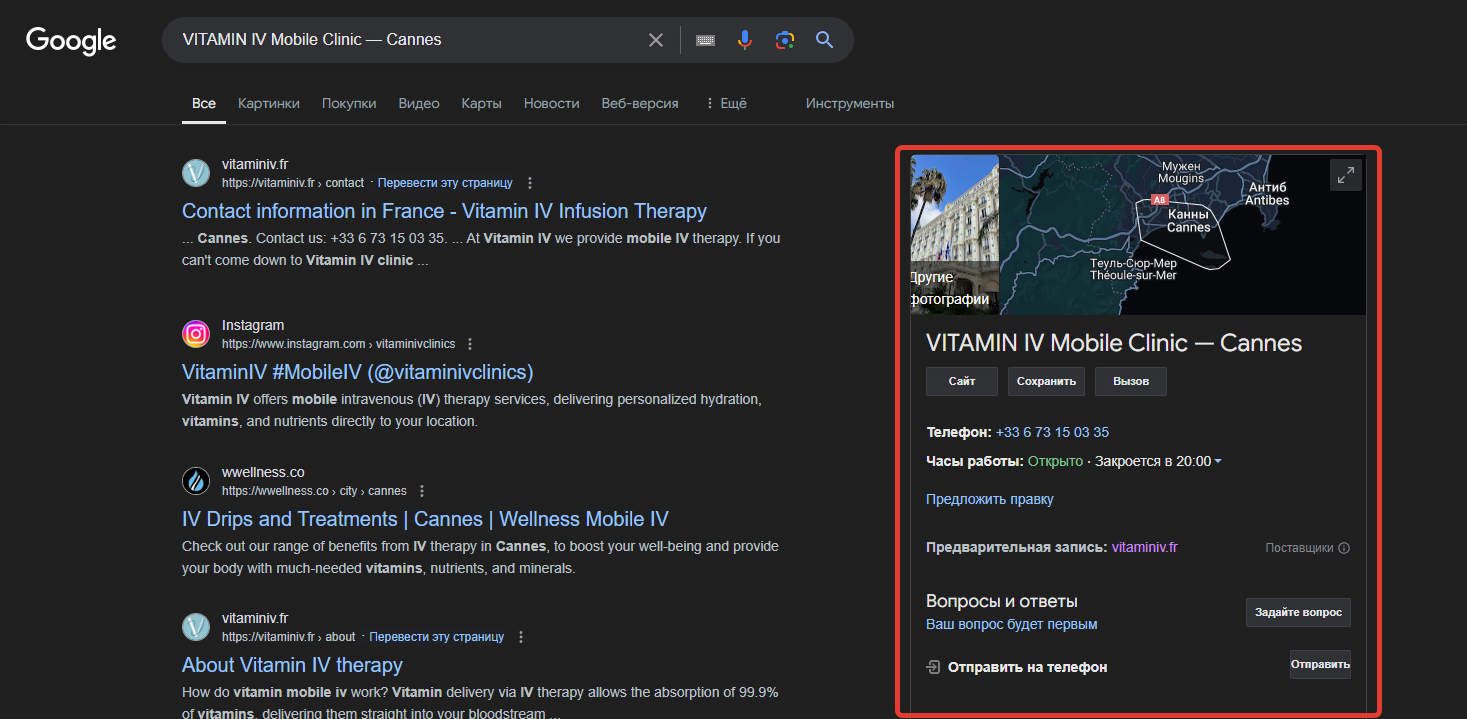
Google My Business (GMB) and local directories are key tools for local SEO. They help improve business visibility in search engines and attract local customers. Optimizing these resources increases trust in your business and contributes to its popularity growth.
Registering and Optimizing Google My Business:
- Complete Information: Fill in all fields in the GMB profile, including name, address, phone number, working hours, and business category. Ensure the information is current and accurate so users can easily find and contact you.
- Photos: Add high-quality photos of your business, including exterior, interior, products, or services. Use professional shots to attract attention and create a positive impression on potential customers.
- Reviews: Encourage customers to leave reviews about your business, as this increases trust and improves ranking. Actively respond to reviews, showing that you value feedback and strive to improve service quality.
- Posts and Updates: Regularly publish updates, news, and special offers through GMB. Use this function to announce events, discounts, and other important happenings to keep the audience’s attention.
Local Directories:
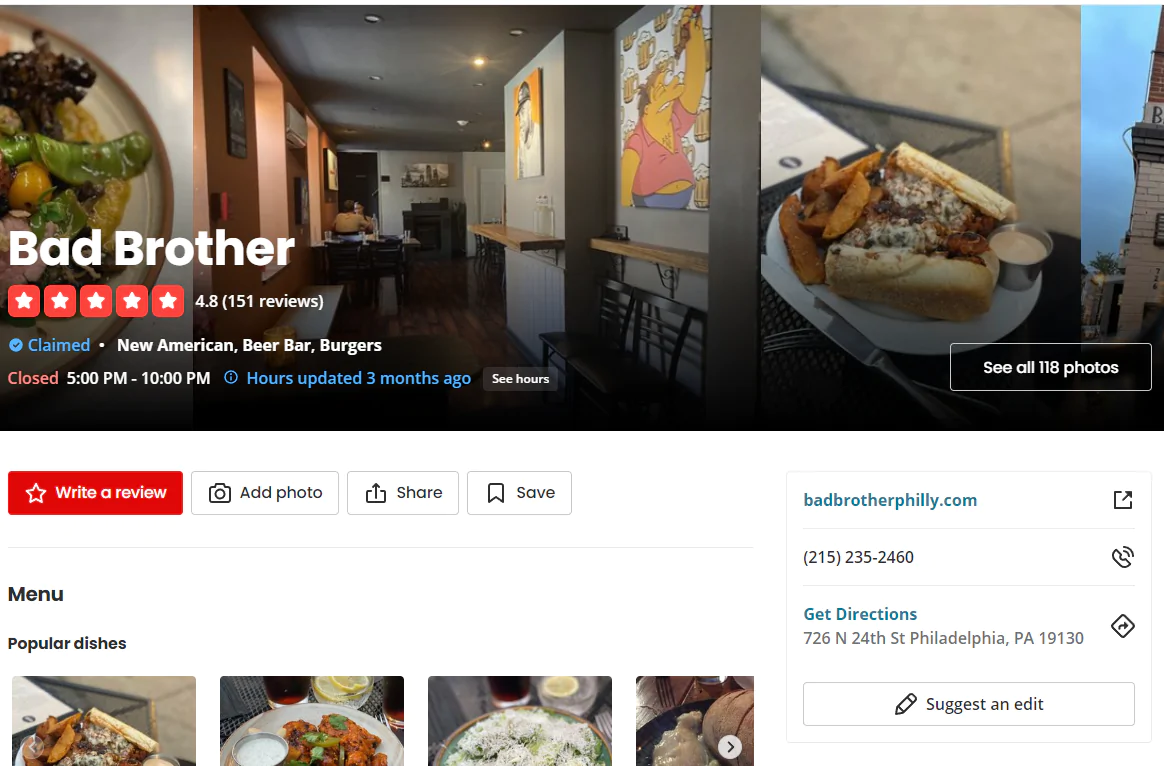
- Popular Directories: Register in popular local directories such as Yelp, Yellow Pages, Foursquare, and others.
- Data Consistency: Ensure your business information (NAP – Name, Address, Phone) is identical across all directories.
- Categories and Tags: Use correct categories and tags to improve relevance and visibility.
Local SEO for English-speaking countries requires consideration of the specific characteristics of each region. Working with Google My Business and local directories helps significantly improve business visibility and attract local customers (leads). It is important to adapt SEO strategies depending on the cultural, linguistic, and economic factors of each country to achieve maximum effectiveness. For example:
- USA and Canada: Pay special attention to customer reviews and ratings, as users in these countries often rely on others’ opinions when choosing a company.
- Great Britain: Use British English and pay attention to local preferences, such as specific working hours and payment forms.
- Australia: Include local keywords and monitor seasonal demand changes, especially in the tourism and service industries.
Working with Google My Business and local directories is a powerful tool. When used correctly, it can make your business more visible and attractive to local customers.
Local SEO for English-Speaking Countries
Local SEO plays an important role in promoting businesses in English-speaking markets such as the USA, Great Britain, Canada, and other countries where English is the primary language. Each of these countries has its own characteristics and nuances that must be considered when developing local SEO strategies.
Features of Local SEO in Various English-Speaking Countries
 USA
USA
- Search Engines: The main search engine is Google (about 88% market share), Bing and Yahoo are also significant.
- Competition: The US market is extremely competitive, especially in large cities. It is important to conduct deep competitor analysis and optimize content for specific regions.
- Keywords: Consider regional differences in language and user preferences.
- Local Factors: For local SEO, using Google My Business, local keywords, and providing accurate contact details is important.
- Reviews: In the USA, great attention is paid to customer reviews on platforms like Google, Yelp, and Facebook.
 Great Britain
- Language and Content: English language, emphasis on British English. Content should be adapted to British realities.
- Regional Accents: Pay attention to differences in dialects and terms between England, Scotland, Wales, and Northern Ireland.
- Local Events: Participation in local events and festivals can significantly increase your business’s visibility.
- Directories: Registration in British local directories such as Yell and Thomson Local.
 Canada
- Bilingualism: In some Canadian provinces, especially Quebec, it is important to consider both English and French.
- Seasonality: Consider seasonal changes and events that can affect consumer behavior.
- Industry Directories: Registration in Canadian local directories and professional associations.
 UAE
UAE
- Language and Content: Main languages are Arabic and English. Content should be adapted to a multilingual and multinational audience.
- Search Engines: Google dominates the market.
- Local Factors: It is important to consider cultural and religious characteristics of the region, use local keywords.
- Competition: Moderate competition, high demand for quality services and goods.
 Australia
- Language and Content: Main language is English. Content should be adapted to Australian English and local culture.
- Search Engines: Google dominates the market, Bing also has a noticeable share.
- Local Factors: It is important to consider local keywords and regional features, as well as use local links.
- Competition: Medium level of competition, especially in tourism and education sectors.
Examples of Successful Optimization of English-Language Websites: Promoting an English-Language Tourism Site
To conclude the article on SEO promotion of English-language websites, we will share a case from our practice. It clearly illustrates the application of the discussed methods and approaches. This case is a vivid example of how an integrated promotion strategy can lead to significant successes in the English-language internet.
Our client was an English-language tourism website aiming to increase its visibility in Google and attract more visitors from the USA, Great Britain, and other English-speaking countries. The strategy included a comprehensive approach: keyword research, technical website optimization, link building and content promotion, conversion and usability audit (with the goal of improving behavioral factors).
- Keyword Research: We conducted a deep analysis of keywords related to travel and tourism, which helped us obtain a list of keywords and create relevant and valuable content (writing useful texts).
- Technical Optimization: Speeding up page loading, optimizing for mobile devices, and improving user experience were implemented to enhance site ranking.
- Link Building: We worked on obtaining quality backlinks from authoritative travel portals and blogs.
- Content Promotion: Creating unique and attractive articles, infographics, and video materials helped attract the attention of the target audience.
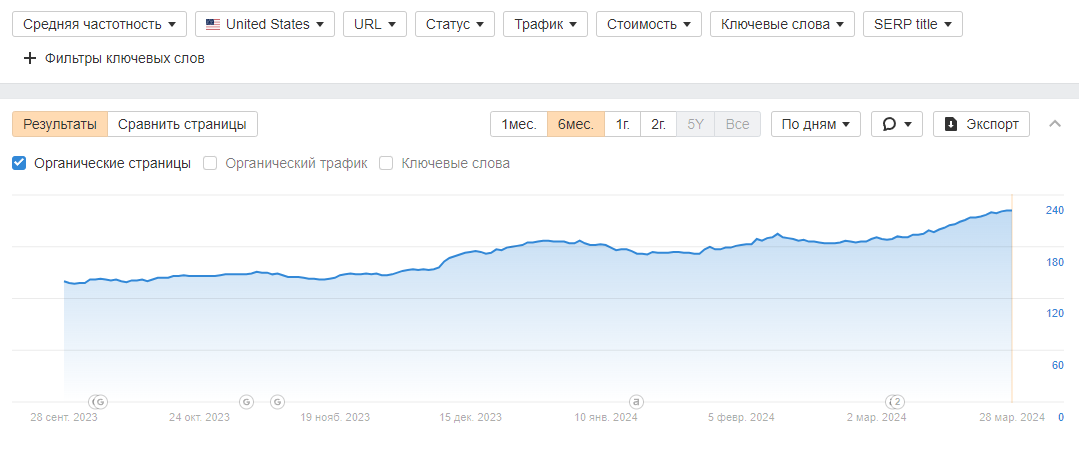
Results: Within six months of working on the project, the site’s traffic increased by 70%, and the share of organic traffic grew significantly. The site took leading positions for main keywords in Google, which increased the number of bookings and the client’s overall profit.
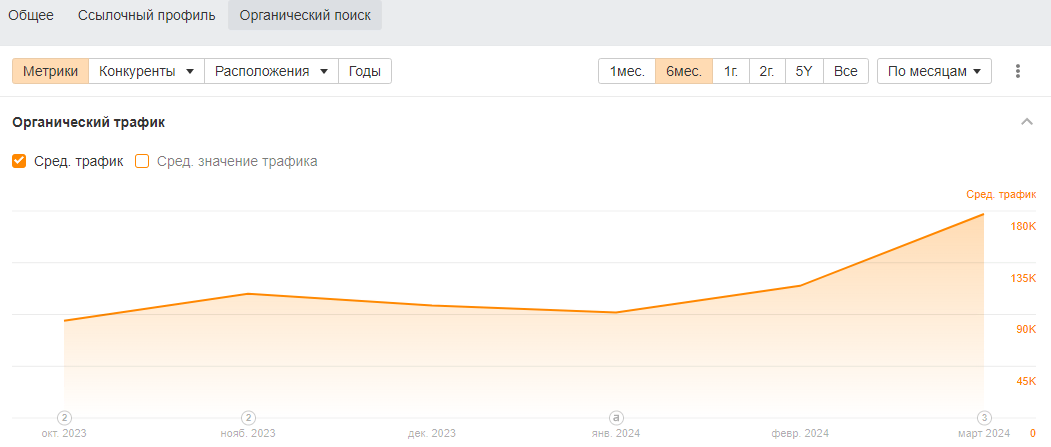
This case highlights the importance of a comprehensive approach to promoting English-language websites. Using these methods together allows for impressive results and significantly improves a site’s visibility in the English-language segment of the internet.
FAQ
- What are the features of local SEO in the USA?
In the USA, local SEO requires consideration of high competition, regional differences in language and user preferences. It is also important to work with reviews and online reputation (SERM) on platforms like Google, Yelp, and Facebook, as they strongly influence customer trust. - How to account for regional accents in local SEO for Great Britain?
To account for regional accents in Great Britain, it is necessary to use dialects and terms characteristic of specific regions: England, Scotland, Wales, and Northern Ireland. This will help you better adapt content and attract the target audience. - What are the features of local SEO in Canada?
In Canada, it is important to consider bilingualism (English and French) in provinces like Quebec. Seasonal changes and events that can affect consumer behavior should also be taken into account. - How do customer reviews affect local SEO promotion?
Customer reviews play a key role in local SEO, as they increase trust and your business’s reputation. Active review management, including responding to them, helps improve customer interaction and can boost your ranking in local search results. - Which SEO strategies are most effective for English-language markets?
Effective SEO strategies for English-language markets include using long-tail keywords, local SEO, and creating quality content. It is also important to actively use social media to engage with the audience. - How to adapt content for various English-speaking countries?
To adapt content for various English-speaking countries, consider the cultural, linguistic, and economic characteristics of each region. Use local dialects and terms, participate in local events, and adapt marketing strategies depending on the preferences and behavior of the audience in each region.
FAQ
In the USA, local SEO requires consideration of high competition, regional differences in language and user preferences. It is also important to work with reviews and online reputation (SERM) on platforms like Google, Yelp, and Facebook, as they strongly influence customer trust.
To account for regional accents in Great Britain, it is necessary to use dialects and terms characteristic of specific regions: England, Scotland, Wales, and Northern Ireland. This will help you better adapt content and attract the target audience.
In Canada, it is important to consider bilingualism (English and French) in provinces like Quebec. Seasonal changes and events that can affect consumer behavior should also be taken into account.
Customer reviews play a key role in local SEO, as they increase trust and your business’s reputation. Active review management, including responding to them, helps improve customer interaction and can boost your ranking in local search results.
Effective SEO strategies for English-language markets include using long-tail keywords, local SEO, and creating quality content. It is also important to actively use social media to engage with the audience.
To adapt content for various English-speaking countries, consider the cultural, linguistic, and economic characteristics of each region. Use local dialects and terms, participate in local events, and adapt marketing strategies depending on the preferences and behavior of the audience in each region.
We recommend you to read

What is a technical assignment (TA) for website development?
A technical assignment (TA) is a document that describes...

The first corporate website I worked on as an editor was created by a friend’s studio. The budget was modest,...

Why is SEO promotion of hotels on the Internet a necessity?
Modern travellers search for hotels, apartments and...

A new website almost always starts at a disadvantage. Competitors already have domain history, traffic, backlinks,...


